How to Keep Loose Teeth Healthy While They Fall Out Naturally
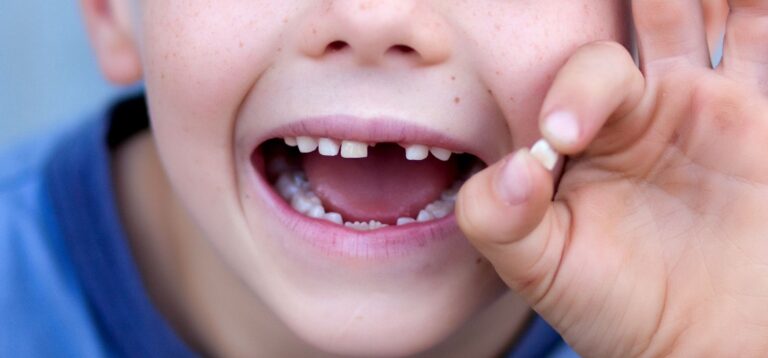
Loose teeth are one of childhood’s greatest plot twists. One day your child is crunching carrots like a champ, and the next they’re announcing that their tooth is “wiggling like a jellybean.” While it’s all part of growing up, parents often wonder how to keep that loose tooth clean, comfortable, and on track to fall out naturally. With a little know‑how (and a lot of patience), you can help your child navigate this milestone with confidence.
Why Loose Teeth Happen (and Why It’s a Good Thing)
Between ages 5 and 7, baby teeth start making way for their grown‑up replacements. As adult teeth push upward, baby teeth loosen. It’s kind of like a tree whose roots are slowly letting go. This is completely normal and usually painless. In fact, it’s the first step in a lifelong journey of children’s dental care and orthodontics, setting the stage for a healthy, aligned adult smile.
How to Tighten a Loose Tooth at Home (Spoiler: You Can’t)
Parents often worry that teeth are becoming loose too soon and ever wonder how to tighten a loose tooth at home. But here’s the truth: if the tooth is loose because it’s supposed to fall out, tightening it isn’t possible—or helpful. The loosening is part of nature’s plan.
If the loose tooth is causing pain for your child, or you’re concerned that it’s loosening too quickly, there are a few things you can do to keep your child comfortable and help control the loosening process.
- Encourage them not to wiggle it nonstop (easier said than done).
- Offer soft foods if chewing feels weird.
- Avoid sticky snacks like taffy or gummies.
- Remind them not to pull on it with fingers or toys.
At the end of the day, the goal is for your child to feel calm and comfortable so their wiggly teeth can progress on their natural timeline.
Healthy Habits for Loose Teeth
One of the most important things you can do is help your child take good care of their teeth so everything happens when it’s supposed to. This way, the tooth fairy can visit when the timing is right. Here are a few tips for taking care of loose teeth.
- Keep it Clean (Even When It Wiggles
A loose tooth may be tiny, but it still needs big-kid hygiene. Some kids want to write it off as soon as they know the tooth is going to fall out soon. In reality, ignoring it too soon can lead to pain and other problems. Cleanliness helps prevent irritation and keeps the gums healthy as the tooth prepares for its grand exit. Most of the time, gums around a loose tooth do just fine, but occasionally they can get a little sore with the new tooth trying to make its big debut. Consider these tactics for keeping the area nice and clean.
- Brush gently around the area with a soft toothbrush.
- Encourage slow, careful brushing – not heavy scrubbing.
- Rinse with warm water after meals to clear out food bits.
- Floss every day.
- For older kids, a mild saltwater rinse can soothe tender gums.
- Ensure your child is well-hydrated. This helps the natural cleaning process.
These habits will keep your child’s gums happy and are foundational to lifelong children’s dental care and orthodontics.
- Keeps Hands Off the Tooth
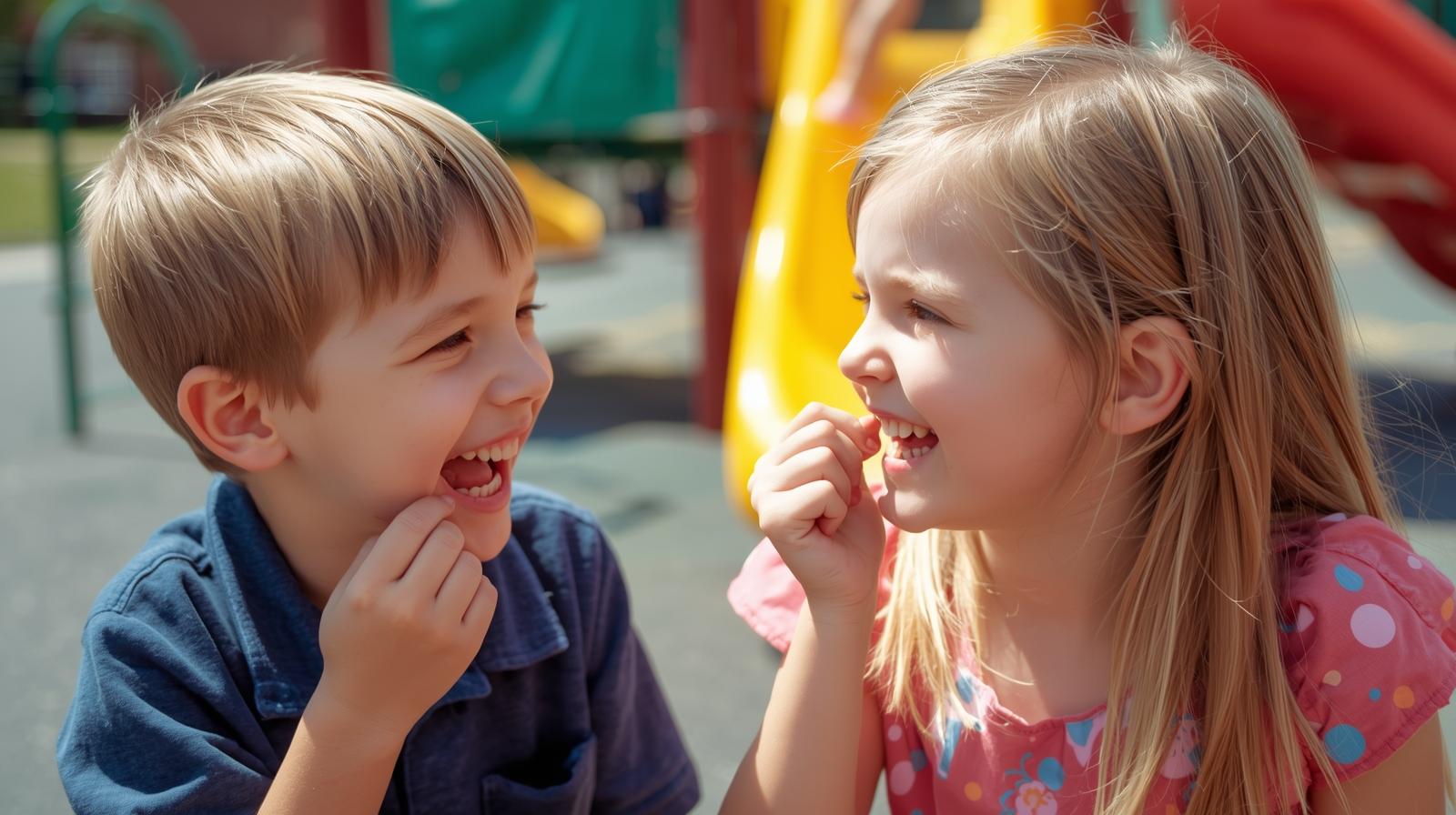
While wiggling a loose tooth can be super fun for kids, pulling the tooth too early can cause unnecessary pain and bleeding. Encourage your child to wiggle the tooth with their tongue instead of their fingers. Not only do fingers introduce germs to the mouth, they are much stronger wigglers than the tongue. Keeping their hands out of their mouth will ensure the roots are dissolved and the tooth has time to break free of the gums when it’s ready. Letting a tooth fall out naturally is the safest and healthiest approach.
- Choose Tooth-Friendly Foods
Loose teeth don’t love crunchy foods. When a tooth is loose, softer foods can make eating a lot more comfortable and help take pressure off already-sensitive gums.
During this phase lean into foods that are filling, familiar, and don’t require a lot of chewing to break them down. Some great options are:
- Smoothies
- Yogurt
- Scrambled eggs
- Applesauce
- Soft fruits like bananas
On the flip side, foods that are hard, crunchy, or sticky, can tug at a loose tooth or irritate the gums, which just adds to the discomfort. Think of it as a temporary “soft snack season” and take a break from foods like apples, carrots and other crunchy foods while the new tooth settles into place.
How to Pull a Loose Tooth
Inevitably, the tooth will reach a point where it’s hanging on by a thread and driving your child (and you!) bananas. When it gets to this point, the tooth is usually just waiting for a low-drama, stress-free send-off. If the tooth is barely attached, these three quick steps can help it out to make room for its permanent replacement.
- Wash your hands.
- Use a clean tissue for grip.
- Gently twist and pull only if it slips out easily. If there’s resistance or pain, STOP. Often, in these scenarios, the tooth is still holding on for a reason. It’s usually not worth the extra pain to fight it.
When to Call the Dentist
Most loose teeth are a normal part of growing up and don’t require a trip to the dentist. Still, there are a few situations where it’s worth getting a professional opinion – mostly for peace of mind and to make sure everything is developing the way it should.
You’ll want to reach out to your childrens dentist if:
- The loose tooth is the result of an injury or accident, since trauma can affect both the
- You notice swelling, redness, or pain that doesn’t improve, as those can be signs of infection or irritation that need attention.
- A baby tooth starts loosening very early (before about age four)
- You see an adult tooth coming in behind a baby tooth instead of pushing it out naturally.
- A tooth stays loose for months without making any real progress. Sometimes it just needs a closer look.
In these cases, a quick dental check can go a long way in reassuring you that everything is on track and prevent small issues from turning into bigger ones later on.
Something to Chew On
Losing teeth is a childhood rite of passage so it’s best to keep it fun and make it memorable. While it’s tempting to try to speed things along, the best approach is to let nature do its thing – and make it fun along the way! You can help your child by keeping their mouth clean, offering soft, tooth-friendly foods, and reminding them to leave those wiggly teeth alone until they’re ready.
Turn the experience into a little adventure with children’s books about the Tooth Fairy or loose teeth, playful charts to track each loose tooth, or even a “soft snack season” to celebrate gentle foods. Talking about it regularly and sharing other kids’ experience can help your child feel at ease if they’re nervous about what’s to come. Most teeth fall out without a dentist’s help, but don’t hesitate to check in if there’s early loosening, lingering pain, or a stubborn tooth. With patience, care, and a bit of imagination, you’ll support your child’s smile as it grows—one wiggly tooth at a time.