
Pediatric Dental Q&A: Answers for Every Stage of Your Child’s Smile
From the first tiny tooth to braces and beyond, children’s dental needs change quickly as they grow. Parents searching for a pediatric dentist in Las Vegas often want fast, trustworthy answers, so this guide breaks down the most common questions by age and stage.
Teething: The First Big Milestone
Teething is one of the earliest (and messiest) phases of childhood. Babies use their mouths to discover everything around them. Teething just adds another layer to the mix, often bringing drooling, irritability, and disrupted sleep as those tiny teeth push through. A Las Vegas pediatric dentist can help parents understand what’s normal and when to seek care.
Q: What is teething, and when does it start?
A: Most babies begin teething around 6 months, but anywhere between 4–12 months is normal.
Q: How can I soothe my baby’s teething discomfort?
A: Try a chilled teething ring, a cold washcloth, or gently rubbing the gums with a clean finger.
Q: Are fevers normal during teething?
A: Mild fussiness is common, but high fevers are not caused by teething. Contact a doctor or your pediatric dentist if you’re unsure.
Q: Can teething affect sleep?
A: Yes! Gum soreness and extra drooling can disrupt naps and nighttime sleep. Gentle comfort and routine help.
Kids’ Dental Hygiene: Building Healthy Habits Early
Good oral hygiene starts long before the first dentist visit. Establishing routines early helps prevent cavities, reduces dental anxiety, and sets the foundation for lifelong healthy habits. A pediatric dentist in Las Vegas can guide parents on brushing, flossing, and fluoride use based on a child’s age and risk level.
Q: When should I start brushing my child’s teeth?
A: Begin brushing as soon as the first tooth appears using a soft brush and a tiny smear of fluoride toothpaste.
Q: How often should my child brush and floss?
A: Brush twice daily. Floss once a day once two teeth touch.
Q: How do I make brushing fun?
A: Try songs, timers, sticker charts, or letting your child choose toothbrush colors and toothpaste flavors.
Q: How do I prevent cavities in baby teeth?
A: Limit sugary snacks and drinks, brush regularly, and schedule routine dental checkups with a Las Vegas pediatric dentist.
Loose Teeth: What to Expect as Baby Teeth Fall Out
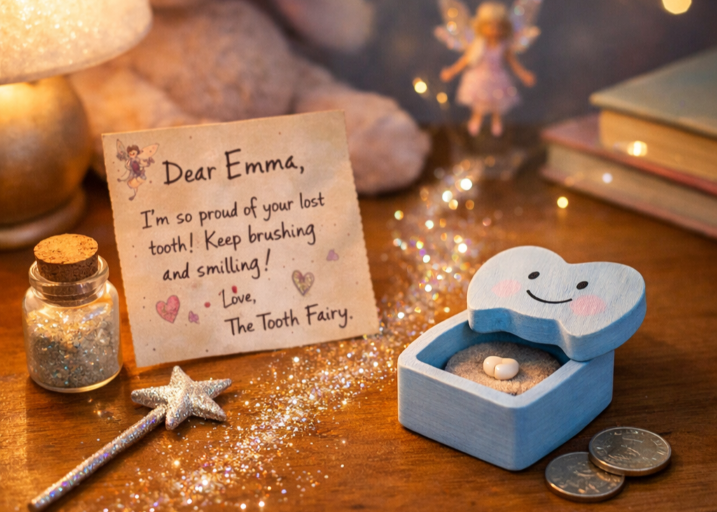
Losing baby teeth is exciting for kids, but can be nerve‑wracking for parents. This stage usually begins around age 6 and continues through early adolescence. A pediatric dentist in Las Vegas can help ensure teeth are falling out on schedule and that permanent teeth are erupting correctly.
Q: Why is my child’s tooth loose?
A: Baby teeth loosen naturally to make room for permanent teeth.
Q: How do you pull a loose tooth?
A: Encourage gentle wiggling with clean hands or a tissue. Avoid forcing it. If the tooth resists, it’s not ready.
Q: Can you tighten a loose tooth?
A: Baby teeth are meant to loosen. If a permanent tooth feels loose, contact a dentist.
Q: How long does it take for a loose tooth to fall out?
A: Usually days to weeks. Most fall out on their own.
Q: What if my child’s tooth is loose due to injury?
A: Contact a Las Vegas pediatric dentist promptly. Trauma to permanent teeth needs professional evaluation.
Orthodontics: Guiding Growing Smiles
As children grow, their jaws and teeth shift rapidly. Early orthodontic evaluation helps identify bite issues, crowding, and alignment problems before they become more complex. A Las Vegas orthodontist can help make sure your child is on track to have the smile of their dreams.
Q: When should my child see an orthodontist?
A: Around age 7 for an initial evaluation.
Q: What are signs my child might need braces?
A: Crooked teeth, difficulty chewing, thumb‑sucking beyond age 5, or jaw misalignment.
Q: Can orthodontics start while baby teeth are still present?
A: Yes — early intervention can help guide jaw growth and prevent future issues.
Q: How long do braces usually take?
A: Typically 12–36 months, depending on the treatment plan.
Q: Are there alternatives to braces?
A: Clear aligners or early appliances may be options for some children.
Diet & Habits: Everyday Choices That Protect Teeth
What kids eat, and how often, has a major impact on their dental health. Simple daily habits can dramatically reduce the risk of cavities and enamel wear. A Las Vegas pediatric dentist can help parents understand which foods and habits support strong enamel.
Q: When should my child stop using a pacifier?
A: Most children can phase out pacifiers by age 3 to prevent bite issues.
Q: What’s the best snack for healthy teeth?
A: Crunchy fruits and vegetables, cheese, yogurt, and nuts. Avoid sticky, sugary treats when possible.
Q: What should I do if my child grinds their teeth at night?
A: Occasional grinding is common. Persistent grinding should be evaluated by a dentist.
Q: Are sealants helpful for kids’ teeth?
A: Yes! Sealants protect the chewing surfaces of permanent molars and are often recommended between ages 6–12.
Comfort & Confidence: Helping Kids Feel Good About Dental Visits
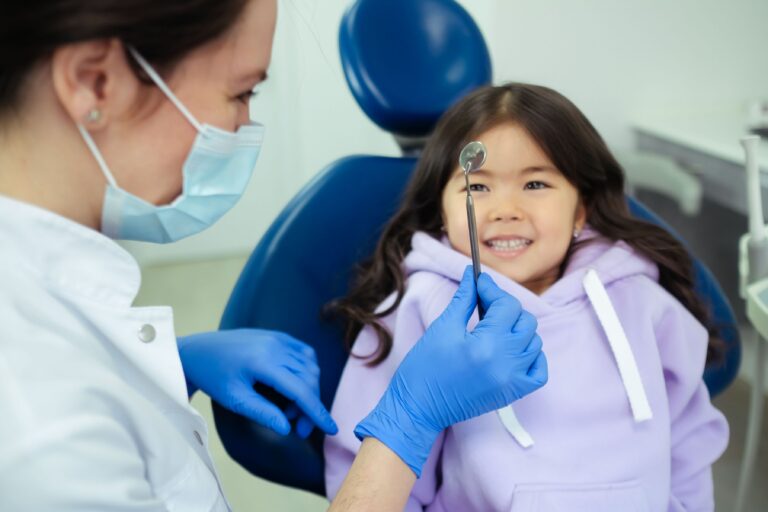
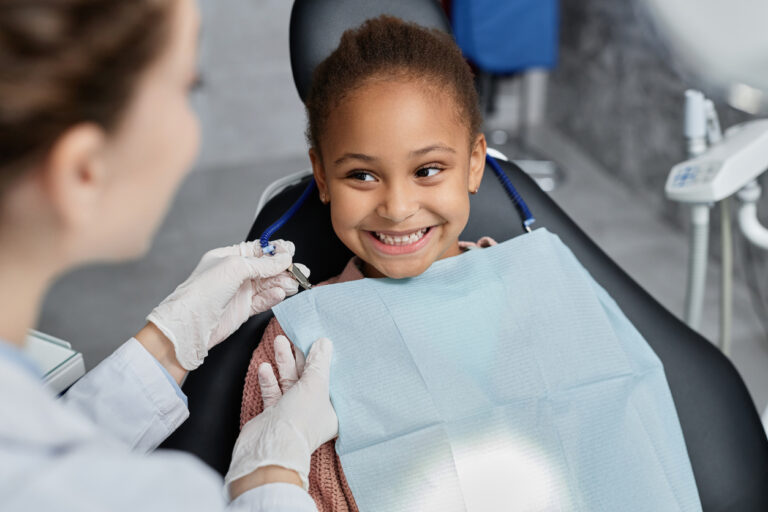
Dental anxiety is common, but early positive experiences help children feel safe and confident. Pediatric dentists and their staff understand that trips to their offices can feel overwhelming for some kids. Because of this, they use kid‑friendly communication, gentle techniques, and a welcoming environment to help children enjoy their visits.
Q: How can I help my child overcome fear of the dentist?
A: Talk positively about visits, read books or watch videos about dental care, and schedule early, low‑pressure appointments. You and your children may also like our list of dentist jokes for kids.
Supporting Your Child Through Every Stage
Caring for your child’s teeth doesn’t have to feel overwhelming. Understanding teething, hygiene habits, loose teeth, orthodontics, and everyday dental questions helps parents support strong, healthy smiles. With guidance from a trusted kids dentist, your child can enjoy excellent oral health at every stage of childhood.