
Should You Tighten a Loose Tooth at Home? What Parents Need to Know
A loose tooth can mean two very different things for a child. While it’s often an exciting milestone, in some cases, it could be a sign that something isn’t right. Before you start looking up how to tighten a loose tooth at home, it’s important to understand what’s normal and what requires a call to the dentist.
Simply put: you should never try to tighten a loose tooth at home.
While some loose teeth are completely normal, others can signal a dental injury that needs professional care. Knowing the difference can protect your child’s smile for years to come.
First: Is It a Baby Tooth or a Loose Permanent Tooth?
The most important question to ask is whether the tooth is supposed to be loose.
Normal: A Loose Baby Tooth
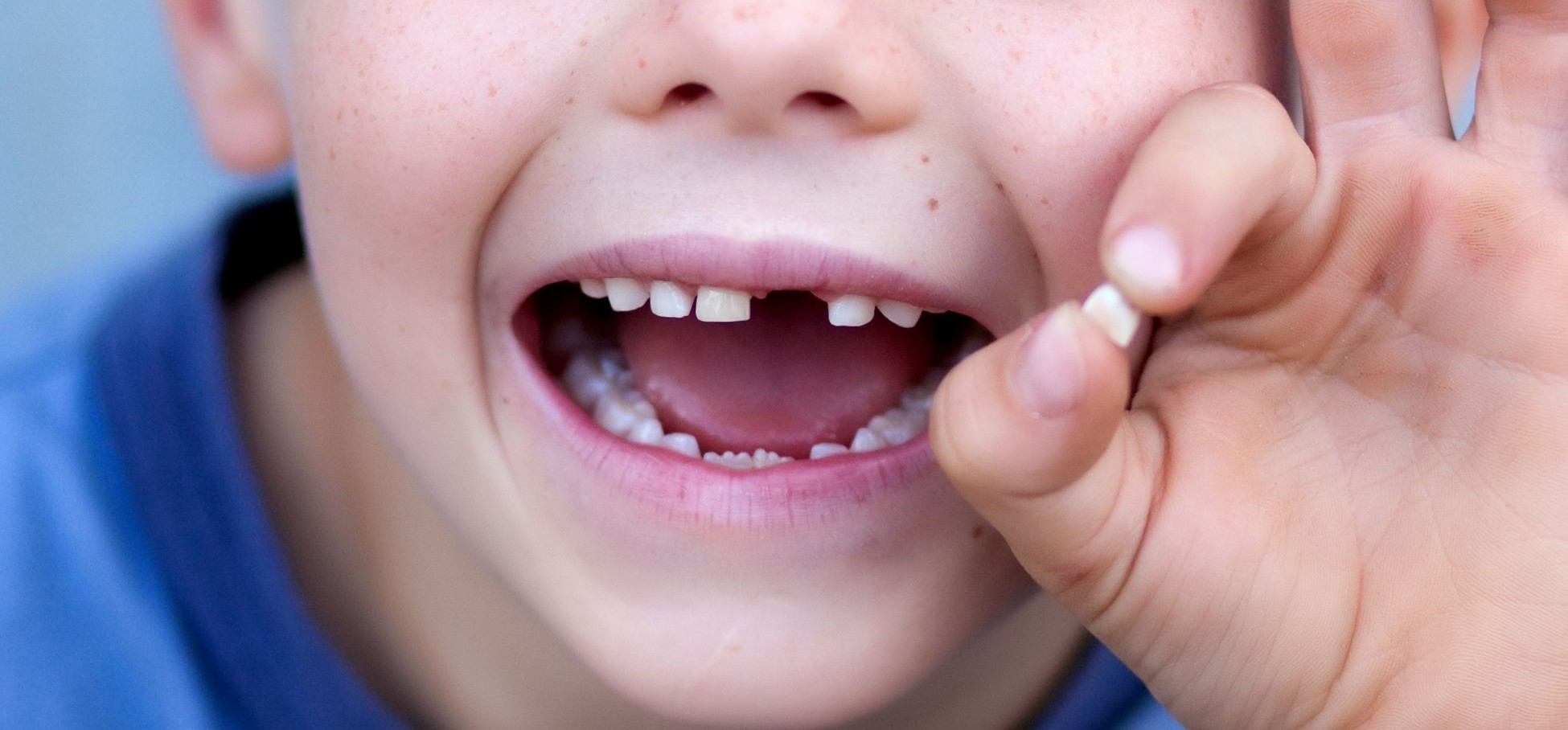
Baby teeth (also called primary teeth) are meant to loosen and fall out. This usually happens between ages 6–12 as permanent teeth grow underneath the gums and eventually push those baby teeth out.
Here are some signs that it’s likely a baby tooth:
- Your child is in the typical age range for losing teeth
- The tooth gradually became loose
- There was no injury or fall
- There’s little to no pain
In this case, you don’t need to “tighten” anything. The best approach is gentle wiggling (if your child wants to) and letting nature take its course.
Not Normal: A Loose Permanent Tooth
A loose permanent tooth, sometimes called a loose grown up tooth, is a completely different situation. Permanent teeth are meant to last a lifetime. If one becomes loose, it’s usually due to:
- Trauma (fall, sports injury, accident)
- Gum disease
- Infection
- Bite issues
- Bone problems
Unlike baby teeth, permanent teeth do not naturally loosen and fall out during childhood. If your child has a loose permanent tooth, it needs immediate attention from a Las Vegas pediatric dentist.
Why You Should Never Try to Tighten a Loose Tooth at Home
It might seem harmless to press on the tooth or try to stabilize it yourself, but this can cause serious damage. Permanent teeth are connected to delicate ligaments and bone, and even slight pressure can worsen internal injury or disrupt healing. What looks like a small fix at home could actually reduce the chances of saving the tooth long term.
Here’s why home “tightening” is risky:
1. You Can Damage the Root
Permanent teeth have roots anchored into bone. Applying pressure can worsen ligament or bone damage and reduce the chances of saving the tooth.
2. You Might Miss a Serious Injury
If the looseness is caused by trauma, there could be hidden fractures or internal damage that only X-rays can detect.
3. Infection Can Spread
If an infection is causing the tooth to feel loose, delaying treatment can allow that infection to worsen or spread to surrounding areas.
4. Permanent Teeth Don’t Grow Back
Unlike baby teeth, permanent teeth don’t get a second chance. Early professional treatment can often save them. On the flip side, waiting too long can lead to tooth loss.
No online tip for how to tighten a loose tooth at home is worth the risk when it comes to your child’s long-term dental health.
What You Should Do Instead
If you suspect your child has a loose permanent tooth, it’s important to stay calm — but act quickly. What you do in the first 24 hours can make a big difference in whether the tooth can be fully stabilized. Here’s what to do right away:
- Call your dentist immediately to explain what happened and get guidance on next steps.
- Avoid wiggling or pressing on the tooth, even if it seems slightly out of place. Extra movement can worsen the injury.
- Stick to soft foods and avoid chewing on that side of the mouth to prevent additional stress.
- Keep the area clean with gentle brushing, being careful not to apply pressure directly to the loose tooth.
If you’re in Nevada and unsure what to do next, contacting a trusted pediatric dentist Las Vegas families rely on can help you quickly determine whether it’s a normal baby tooth milestone or a dental emergency. When it comes to a loose permanent tooth, it’s always better to have it evaluated sooner rather than later.
How Dentists Treat a Loose Permanent Tooth
The good news? Dentists can often stabilize a loose permanent tooth, especially when it’s treated quickly. Acting early gives the tooth the best chance to heal properly and stay healthy long term. Depending on the cause and severity of the looseness, treatment may include:
- Dental splinting, which stabilizes the loose tooth by gently securing it to neighboring teeth while the surrounding ligaments and bone heal.
- Treating infection or inflammation if gum disease or trauma has affected the supporting tissues.
- Monitoring healing with follow-up visits to make sure the tooth is regaining strength and stability.
- Addressing bite issues if needed, especially if uneven pressure contributed to the problem.
Timing truly makes a difference. The sooner your child is evaluated, the better the chances of saving the tooth and preventing more complex treatment down the road.
When to Seek Immediate Dental Care from a Las Vegas Pediatric Dentist
If you’re ever unsure whether a loose tooth is normal or something more serious, it’s always safest to check in with your pediatric dentist in Las Vegas. Certain symptoms can signal a dental injury that needs prompt attention. Call your child’s dentist right away if your child has:
- A loose tooth after a fall or hit to the mouth
- Significant pain that doesn’t improve
- Bleeding that won’t stop
- Swelling around the gums
- A tooth that suddenly feels loose without explanation
Even if it turns out to be a baby tooth doing exactly what it’s supposed to do, it’s always better to double-check. A quick call can give you peace of mind and protect your child’s smile if something more serious is going on.
Protecting Your Child’s Smile
If you’re wondering how to tighten a loose tooth at home, the safest answer is: don’t.
Baby teeth are supposed to loosen. Permanent teeth are not.
Trying to fix a loose permanent tooth or loose grown up tooth at home can cause lasting damage. When in doubt, have a pediatric dentist evaluate it. A quick visit can protect your child’s smile for years to come and give you peace of mind in the process.