Halloween Candy: What’s the Worst Candy for Kids’ Teeth?
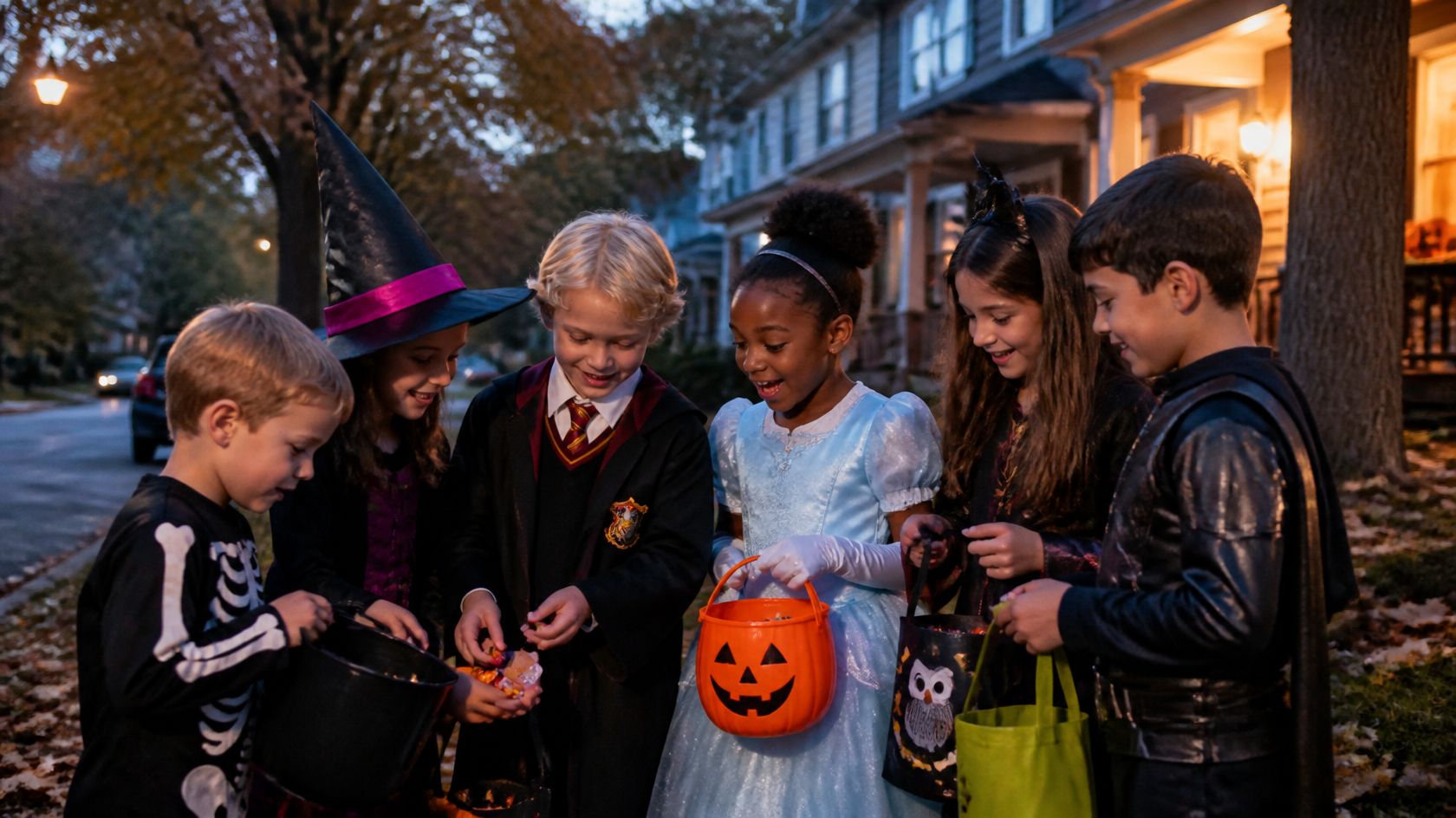
Halloween is full of costumes, spooky decorations, and, of course, candy. While trick-or-treating is a childhood favorite, all those sugary treats can leave parents wondering which candies are the worst for their children’s teeth.
The truth is that some Halloween candies pose a greater risk to dental health than others. Sticky sweets can cling to teeth, hard candies can cause chips or cracks, and sour candies can expose tooth enamel to damaging acids. Fortunately, understanding these differences can help families enjoy Halloween while protecting their children’s smiles.
What Is the Worst Halloween Candy for Kids’ Teeth?
Sticky, chewy, sour, and hard candies are generally among the worst Halloween treats for children’s teeth. These candies can increase the risk of cavities, contribute to enamel erosion, or cause physical damage to teeth.
Here is how common Halloween candies compare.
1. Sticky and Chewy Candy
Examples: Caramel, taffy, gummy bears, gummy worms, and chewy fruit candies.
Sticky candy is one of the biggest concerns for children’s dental health because it clings to the grooves and surfaces of teeth. It can also get trapped between teeth, making it harder for saliva to wash away leftover sugar.
Oral bacteria feed on sugars left behind after eating candy. As these bacteria produce acids, they weaken tooth enamel and can eventually cause cavities. The longer sugary residue remains on teeth, the more opportunity bacteria have to contribute to tooth decay.
Pediatric dentist tip: If your child loves gummy candy or caramel, consider limiting these treats and serving them with a meal rather than allowing frequent snacking throughout the evening.
2. Sour Candy
Examples: Sour gummy worms, sour belts, sour hard candies, and sour spray candy.
Sour candy may seem like a fun Halloween treat, but its acidity can be especially tough on tooth enamel. Many sour candies contain acids that temporarily soften the enamel surface. Repeated exposure can contribute to enamel erosion over time.
Enamel is the protective outer layer of a tooth, and it does not grow back once it is lost. Children need to protect their enamel as their teeth develop and mature.
Pediatric dentist tip: Have your child drink water after eating sour candy. Avoid brushing immediately afterward because enamel may be temporarily softened by acid exposure. Waiting about 30 to 60 minutes before brushing gives saliva time to help neutralize acids and support enamel recovery.
3. Hard Candy and Lollipops
Examples: Jolly Ranchers, hard peppermints, lollipops, and other long-lasting candies.
Hard candy presents two dental concerns. First, biting down on it can chip or crack a tooth. Second, sucking on a lollipop or hard candy keeps sugar in the mouth for an extended period.
The longer a child sucks on sugary candy, the longer their teeth are exposed to sugar. This can increase the opportunity for cavity-causing bacteria to produce acids.
Pediatric dentist tip: Encourage children to let hard candy dissolve rather than biting down on it, but remember that choosing a different treat is often the safer option. Hard candy can also be a choking hazard for younger children.
4. Caramel-Filled and Nougat Candy Bars
Examples: Caramel-filled chocolate bars, chewy nougat bars, and candy bars with sticky centers.
Chocolate itself is generally a better option for teeth than sticky candy, but the filling matters. Caramel and nougat can cling to tooth surfaces and settle into small spaces that are difficult to clean.
Candy bars with sticky fillings combine the lingering sugar exposure of chewy candy with the sugar content of chocolate. They’re not necessarily off-limits, but they are worth enjoying in moderation.
Pediatric dentist tip: If your child wants chocolate, plain chocolate that melts and clears from the mouth more easily is generally a better choice than a sticky, chewy candy bar.
5. Sugary Candy That Kids Snack On All Night
Examples: Candy corn, jelly beans, sweet tarts, and other small candies eaten repeatedly throughout the evening.
The type of candy isn’t the only thing that matters. How often children eat it also plays an important role in cavity prevention.
Every time a child eats sugar, bacteria in the mouth can produce acids that attack tooth enamel. Frequent snacking creates repeated acid attacks, giving teeth less time to recover between exposures.
Even candy that doesn’t stick to teeth can contribute to cavities when children eat it frequently throughout the day.
Pediatric dentist tip: Instead of letting children graze on candy all evening or throughout the following week, set aside a time to enjoy a few treats together. Eating sweets with a meal can help reduce the frequency of sugar exposure.
What Is the Best Halloween Candy for Kids’ Teeth?
No candy is completely cavity-proof, but some options are generally easier on children’s teeth than others.
Chocolate is often a better choice than sticky or chewy candy because it tends to melt and clear from tooth surfaces more easily. Dark chocolate may contain less sugar than some milk chocolate varieties, depending on the product, but portion size and frequency still matter.
Here are a few options to consider when sorting through the Halloween candy haul:
- Plain chocolate: Chocolate without sticky fillings generally clears from teeth more easily than gummy or chewy candy.
- Chocolate-covered treats without sticky centers: These can be a reasonable option when enjoyed in moderation.
- Sugar-free gum sweetened with xylitol: For children old enough to chew gum safely, sugar-free gum can stimulate saliva production. Some products may offer additional benefits, but gum should not replace brushing and flossing.
- Non-candy treats: Stickers, temporary tattoos, small toys, glow sticks, and Halloween-themed pencils can add variety to a trick-or-treat haul without exposing teeth to sugar.
The goal isn’t to ban every sweet treat. It’s to make thoughtful choices that reduce the risk of cavities while allowing children to enjoy the holiday.
How Can Parents Protect Their Children’s Teeth on Halloween?
A few simple habits can make a difference in keeping little smiles healthy during Halloween and beyond.
- Eat Candy at a Planned Time
Rather than letting children snack on candy throughout the day, set reasonable limits and encourage them to enjoy treats during or shortly after a meal. Saliva production increases during meals, helping neutralize acids and wash away food particles.
- Encourage Water After Candy
Drinking water helps rinse away some leftover food particles and supports a healthy oral environment. Fluoridated tap water can also help strengthen enamel and prevent tooth decay.
Water isn’t a substitute for brushing, but it’s an easy habit to encourage after enjoying Halloween treats.
- Stick to the Bedtime Brushing Routine
Halloween excitement can make bedtime routines easy to overlook, but brushing is especially important after a day of sugary snacks.
Children should brush twice daily for two minutes with fluoride toothpaste and clean between their teeth daily. Parents should supervise brushing and help younger children until they have the coordination to brush thoroughly on their own.
Before bed, make sure children brush after their last candy treat. Avoid giving them sugary snacks afterward.
- Check for Dental Problems
Halloween candy can occasionally cause dental trouble, especially if a child has a loose filling, an existing cavity, or a damaged tooth. If your child experiences persistent tooth pain, sensitivity, or a chipped tooth, contact a dentist for guidance.
Prompt attention can help prevent a small problem from becoming a bigger one.
Should Parents Let Kids Eat Halloween Candy?
Yes! Children can enjoy Halloween candy without compromising their dental health. The key is to focus on moderation, smart candy choices, and consistent oral hygiene.
Completely banning candy may make Halloween less enjoyable, and it isn’t necessary for maintaining healthy teeth. Instead, help children understand that some treats are better choices than others and that brushing, flossing, and regular dental visits are part of taking care of their smiles.
It’s also worth remembering that baby teeth need to be taken care of just as much as permanent teeth. Although they eventually fall out, they help children chew, speak clearly, and maintain space for permanent teeth. Cavities in baby teeth can still cause pain and infection, so protecting them is important.
Keep Halloween Fun With Healthy Smiles
Halloween should be about fun, family traditions, and a little indulgence—not worrying over every piece of candy. By limiting sticky and sour sweets, reducing frequent snacking, choosing tooth-friendlier treats, and keeping up with brushing, parents can help protect their children’s teeth throughout the holiday.
If you have questions about your child’s dental health, a pediatric dentist can offer personalized advice based on their age, cavity risk, and oral health needs. With a little planning, your family can enjoy all the tricks and treats Halloween has to offer while keeping those little smiles healthy.