
How to Get a Loose Tooth Out
A question-and-answer guide for parents and caregivers from Las Vegas pediatric dentists.
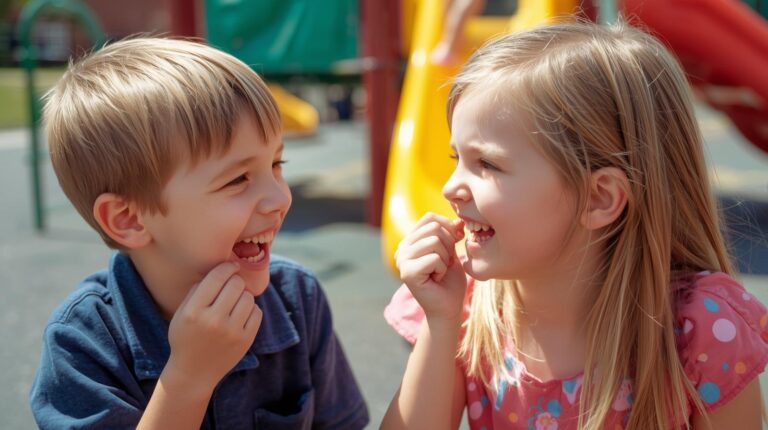
A wobbly tooth is a milestone for kids, but it can also be a source of nerves, questions, and a lot of tongue-wiggling. This guide answers the most common questions about loose baby teeth, so you can help your child through the process safely and calmly.
How do you get a loose tooth out?
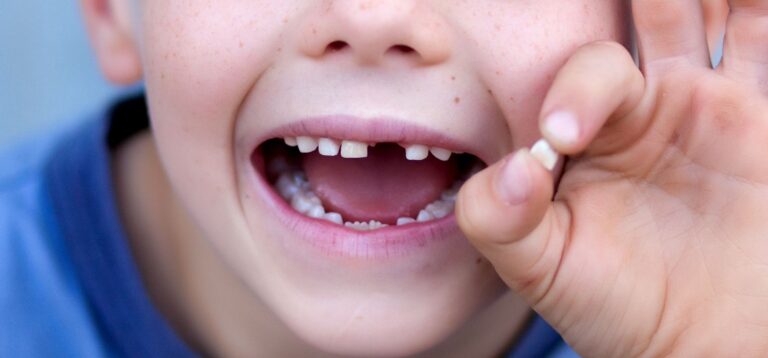
The safest method is to let the tooth come out naturally. You can read more about it in our article: How to Keep Loose Tooth Healthy. Encourage your child to wiggle it with clean fingers or their tongue until it detaches on its own. If the tooth is very loose and hanging by a thread of tissue, a gentle twist with a clean tissue or piece of gauze is usually enough. Never force a tooth that still resists.
Why do baby teeth get loose in the first place?
Baby teeth (also called primary teeth) are designed to be temporary. As the permanent tooth underneath grows upward, it gradually dissolves the root of the baby tooth above it. When the root is mostly gone, the tooth is held in place by just a little gum tissue, which is why it wiggles. This process is completely normal and is the body’s way of making room for adult teeth.
At what age do kids start losing teeth?
When do baby teeth fall out? Most children lose their first tooth around age 6, though anywhere from ages 4 to 8 is considered normal. The bottom front teeth (lower central incisors) usually go first, followed by the top front teeth. By around age 12 or 13, most children have lost all 20 baby teeth. Because of this wide range, a child who loses teeth earlier or later than friends is rarely cause for concern.
How do you know a tooth is ready to come out?
A tooth is usually ready when it:
- Moves freely in more than one direction, front to back and side to side
- Can be pushed nearly flat with the tongue
- Is attached by only a thin strip of gum
- Has a permanent tooth visible behind or beneath it
If the tooth only moves slightly and feels firmly anchored, it needs more time.
What is the safest way to pull a loose tooth at home?
If you’re wondering how to pull a loose tooth, follow these steps:
- Wash hands thoroughly. Both yours and your child’s, to reduce the chance of introducing bacteria.
- Have your child rinse with water. This clears away food and helps you see what you’re doing.
- Encourage wiggling first. Let your child work the tooth back and forth for a few days. This often does most of the work.
- Grip with a tissue or gauze. The tooth can be slippery, and gauze gives you a better hold.
- Twist gently, don’t yank. A quick, soft twist is more effective and less painful than pulling straight out.
- Stop if there’s resistance or pain. If it doesn’t come free easily, wait another day or two.
- Apply pressure afterward. Have your child bite down on clean gauze for 10 to 15 minutes to stop any bleeding.
Can eating certain foods help a loose tooth come out?
Yes. Crunchy, firm foods such as apple slices, carrots, or celery give a loose tooth the extra nudge it needs. Many kids find that a tooth that wouldn’t budge for days pops out during a snack. Avoid very hard or sticky foods like taffy, hard candy, or ice, which can break a tooth or cause jagged edges that irritate the gums.
Is it okay to tie a string to the tooth or use the door trick?
No. Popular tricks like tying a string around the tooth and slamming a door, or yanking it with a thread, are not recommended. They can snap the tooth, leave part of the root behind, injure the gums, and frighten your child. A tooth that needs that much force isn’t ready to come out.
How much bleeding is normal for a loose tooth?
A small amount of bleeding is expected. It often looks like more than it is because it mixes with saliva. Pressure from a clean piece of gauze typically stops it within 10 to 15 minutes. Afterward, the gum may be a little tender for a day or two. Offer soft foods and have your child rinse gently with warm salt water to keep the area clean.
Does it hurt to lose a tooth?
For most children, it’s more strange than painful. Because the root has mostly dissolved, there’s very little nerve connection left. Some kids feel mild pressure or a quick pinch. If your child is anxious, distraction, a relaxed attitude, and a reward (hello, tooth fairy) go a long way.
What if the permanent tooth is coming in behind the baby tooth?
This is common, especially with the lower front teeth, and is sometimes called “shark teeth.” It usually isn’t an emergency. The tongue’s pressure often pushes the permanent tooth forward into its proper position once the baby tooth falls out. Encourage your child to wiggle the baby tooth more. If it hasn’t come out within about two to three months of the new tooth appearing, check in with your dentist.
When should you see a dentist instead of pulling it yourself?
Call your Las Vegas pediatric dentist if:
- The tooth was loosened by an injury or fall rather than naturally
- The tooth is loose but your child is much younger than usual, such as under age 4
- There is swelling, pus, a bad taste, or fever
- Bleeding doesn’t stop after 15 minutes of steady pressure
- The permanent tooth has fully erupted but the baby tooth won’t budge
- Your child is in significant pain
A Las Vegas pediatric dentist can remove a stubborn tooth quickly, usually with a numbing gel, and rule out any underlying problem.
What if a loose tooth is an adult tooth?
Permanent teeth should never be loose. If a teenager or adult has a loose adult tooth, it can signal gum disease, trauma, or another dental problem. Don’t try to remove it. Make a dental appointment as soon as possible.
How can you make losing a tooth less scary for a child?
Talk about it positively ahead of time. Explain that it’s a normal part of growing up, read a book about losing teeth, and let your child take the lead on wiggling. Turn it into a celebration with a tooth fairy tradition, a special keepsake box, or a photo of the new gap-toothed grin. A calm, encouraging adult is the best remedy for nerves.
How should you care for the mouth after a tooth falls out?
Have your child keep brushing twice a day with a soft toothbrush, taking care around the tender spot where they lost their tooth. Skip aggressive flossing near the gap for a day or so. Keep up regular dental checkups so your dentist can monitor how the permanent teeth are coming in.
Why does baby tooth care still matter if they’ll fall out anyway?
Healthy baby teeth guide permanent teeth into place, support clear speech, and help your child chew properly. Cavities in tiny teeth can cause pain and infection, and losing a baby tooth too early may let neighboring teeth drift and crowd the space meant for adult teeth. Good habits established now, including brushing, limiting sugary snacks, and regular visits, are the foundation of lifelong children’s dental care.