How Does Sugar Affect Children’s Teeth? Hear From a Las Vegas Pediatric Dentist
Most parents know that too much sugar isn’t good for their child’s teeth, but they’re surprised to learn that sugar itself isn’t the only reason cavities develop. The real problem begins when sugar feeds the naturally occurring bacteria in your child’s mouth. Those bacteria produce acids that weaken tooth enamel, eventually leading to cavities.
The good news is that children don’t have to avoid sweets entirely to maintain healthy smiles. By understanding how sugar affects teeth and making a few smart choices, parents can significantly reduce their child’s risk of tooth decay.
Here’s what every family should know about the relationship between sugar and oral health.
How Do Cavities Form?
Everyone has bacteria living in their mouth. Most are harmless, but certain types feed on sugars and starches left behind after eating. When these bacteria consume sugar, they produce acids that attack the protective outer layer of the teeth, called enamel.
Each acid attack lasts for about 20 to 30 minutes after eating or drinking something sugary. If these attacks happen frequently throughout the day, the enamel doesn’t have enough time to recover between meals or snacks.
Over time, the enamel begins to weaken, creating tiny holes that eventually become cavities.
It’s Not Just Candy
Many parents immediately think of candy when they hear the word “sugar,” but plenty of everyday foods contain hidden sugars that can also contribute to tooth decay.
Common sources include:
- Fruit juice
- Sports drinks
- Soda
- Chocolate milk
- Flavored yogurt
- Breakfast cereal
- Granola bars
- Gummies and fruit snacks
- Cookies and pastries
- Sweetened applesauce
Even foods that seem healthy can contain surprising amounts of added sugar.
Reading nutrition labels can help parents make informed choices and identify products with less added sugar.
Sticky Foods Can Be Especially Harmful
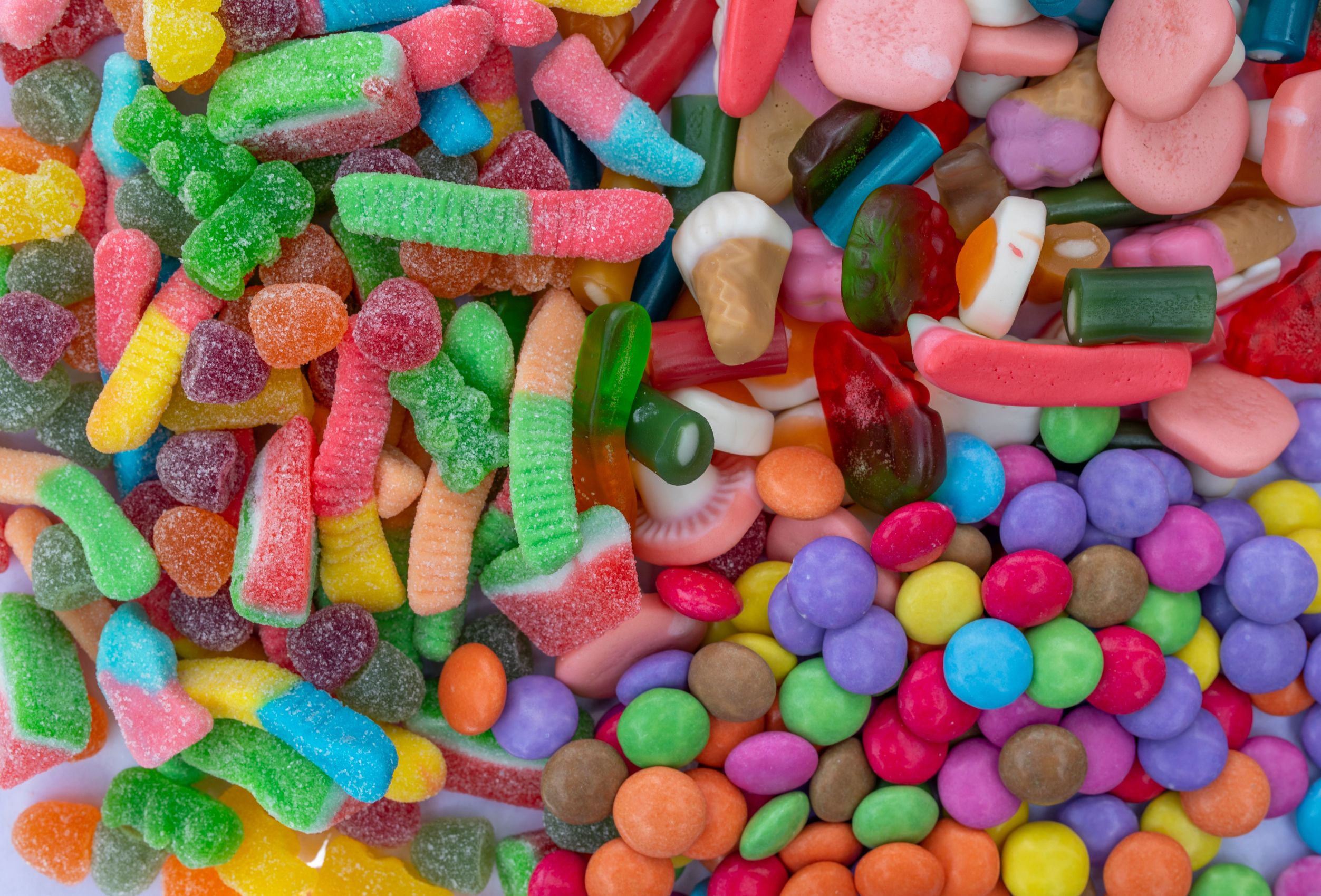
Not all sugary foods affect teeth the same way. Sticky foods tend to cling to the grooves and surfaces of teeth, giving bacteria more time to feed on the sugar.
Examples of these sticky treats include:
- Caramel
- Gummy candy
- Fruit snacks
- Dried fruit
- Chewy granola bars
- Taffy
These foods are often more difficult to wash away with saliva, increasing the amount of time acids remain in contact with the teeth.
Does Frequent Snacking Increase the Risk of Cavities?
Simply put, yes! One cookie after dinner may actually be less harmful than sipping on fruit juice throughout the day.
Every time your child eats or drinks something containing sugar, bacteria begin producing acid again. Frequent grazing means teeth are exposed to repeated acid attacks with very little time to recover.
Instead of offering sugary snacks all day long, try serving treats with meals whenever possible. Saliva production increases during meals, helping wash away food particles and neutralize acids more effectively.
Do Drinks Cause Cavities?
Sugary beverages are one of the biggest contributors to childhood tooth decay.
Some of the most common culprits include:
- Soda
- Fruit punch
- Sweet tea
- Lemonade
- Energy drinks
- Sports drinks
- Juice boxes
Even 100% fruit juice contains natural sugars that can contribute to cavities when consumed frequently.
Water is almost always the best beverage between meals. It helps rinse away food particles, keeps children hydrated, and can even strengthen tooth enamel if it contains fluoride.
Can Baby Teeth Get Cavities?
Some parents assume cavities in baby teeth aren’t a major concern because those teeth eventually fall out.
In reality, healthy baby teeth are essential for:
- Proper chewing
- Clear speech development
- Holding space for permanent teeth
- Supporting healthy jaw growth
- Building confidence through a healthy smile
Untreated cavities can lead to pain, infection, difficulty eating, and even premature tooth loss.
Protecting baby teeth helps set the stage for healthy permanent teeth later.
What are Healthy Alternatives to Sugary Snacks?
Children don’t have to give up treats entirely, but healthier snack choices can reduce cavity risk while still satisfying hungry appetites.
Consider offering:
- Cheese
- Plain yogurt
- Fresh vegetables
- Apple slices
- Pears
- Strawberries
- Nuts (when age appropriate)
- Hard-boiled eggs
- Whole-grain crackers
- Hummus
Cheese is an especially tooth-friendly snack because it helps stimulate saliva and provides calcium that supports strong teeth.
Don’t Forget to Brush and Floss
Even healthy eating habits can’t replace a good oral hygiene routine when it comes to children’s dental care.
Parents should help children:
- Brush twice a day using fluoride toothpaste.
- Brush for two full minutes.
- Floss once daily after teeth begin touching.
- Replace toothbrushes every three to four months.
Young children usually need assistance with brushing until they develop the coordination to clean their teeth thoroughly.
Regular brushing removes plaque before bacteria have a chance to produce large amounts of acid.
Fluoride Helps Protect Teeth
Fluoride strengthens enamel, making teeth more resistant to acid attacks.
Children may receive fluoride from:
- Fluoridated tap water
- Fluoride toothpaste
- Professional fluoride treatments during dental visits
Your Las Vegas pediatric dentist can recommend the appropriate amount of fluoride based on your child’s age and risk for cavities.
How Often Should My Child Visit the Dentist?
Even children with excellent brushing habits can develop cavities. Many parents wonder: how often should my child visit the dentist? The American Academy of Pediatric Dentists recommends that children visit a dentist every six months.
Routine exams allow your dentist to:
- Detect cavities early
- Apply preventive fluoride treatments
- Recommend dental sealants when appropriate
- Monitor oral development
- Provide personalized nutrition guidance
Preventive care is one of the best ways to avoid larger dental problems later.
Many families schedule visits every six months to keep their child’s smile healthy.
Building Healthy Dental Habits for Life
Helping children understand how sugar affects their teeth doesn’t mean banning sweets forever. Instead, it’s about teaching balance and creating habits that support lifelong oral health.
Encourage your child to:
- Drink water instead of sugary beverages.
- Enjoy sweets in moderation.
- Brush after breakfast and before bed.
- Floss every day.
- Choose tooth-friendly snacks whenever possible.
- Visit the dentist regularly.
These simple habits can dramatically reduce the risk of cavities while helping children develop a positive attitude toward taking care of their smiles.
A Healthy Smile Starts with Smart Choices
Sugar is a normal part of many children’s diets, but understanding how it affects teeth empowers parents to make healthier decisions. By limiting frequent sugary snacks, encouraging good brushing habits, and scheduling regular dental visits, families can greatly reduce the risk of cavities.
If you’re looking for compassionate childrens dental care, an experienced Las Vegas pediatric dentist can help your child build healthy habits from an early age. Through preventive care, education, and routine checkups, your dental team can help keep little smiles healthy for years to come.